
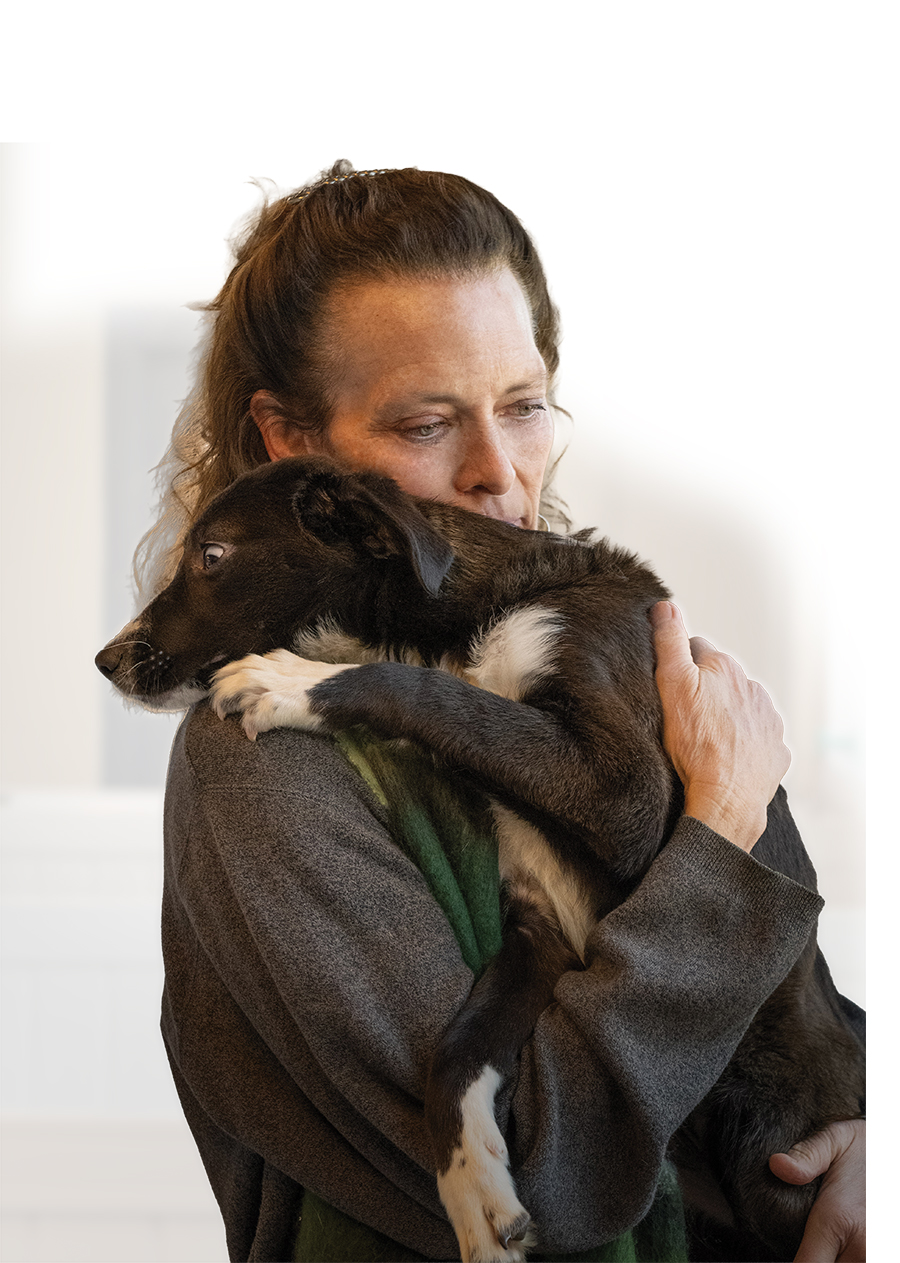
West Virginia Animal Rescue is a new nonprofit working to keep the local animal shelter no-kill.
By Katherine Pyles
HQ 133 | Spring 2026
On a cold January morning, the kennels at the Huntington Cabell Wayne Animal Shelter were quieter than usual. Just days earlier, a “Clear the Shelter” event had sent nearly every cat and dog home with new families — about 180 adoptions in all. Photos of smiling adopters and wagging tails filled social media feeds, a brief, joyful glimpse of what success can look like.
And then, almost immediately, the quiet ended.
“As fast as they went out, more came in,” said Courtney Cross, executive director of the shelter. “We adopted out 83 dogs and 101 cats, but in that same period of time we had 80 dogs and 23 cats come in. If we have an open kennel for five minutes, it’s filled.”
That constant churn — relief followed by renewed urgency — is why West Virginia Animal Rescue exists. And why, without it, Cross said plainly, the shelter could not function as it does today.
Formerly known as the Western West Virginia Animal Rescue Alliance, West Virginia Animal Rescue (WVAR) is a 501(c)(3) nonprofit created specifically to support the Huntington Cabell Wayne Animal Shelter — financially, operationally and strategically — in ways municipal funding never could.
“WVAR is the fundraising arm of the shelter,” explained Patty Jennings, a longtime animal advocate and WVAR board member. “It’s separate from the shelter, but it exists to support it. And right now, that support is more important than ever.”
Between Cabell County, Wayne County and the City of Huntington, public funding for animal control and shelter operations typically totals around $550,000 a year, with an additional $10,000 from Barboursville. That may sound substantial, until it’s measured against reality.
“It costs just under $2 million a year to run this operation the way we do,” Cross said. “The medical care, the staffing, the food, the facility — none of that is possible on city and county funding alone.”
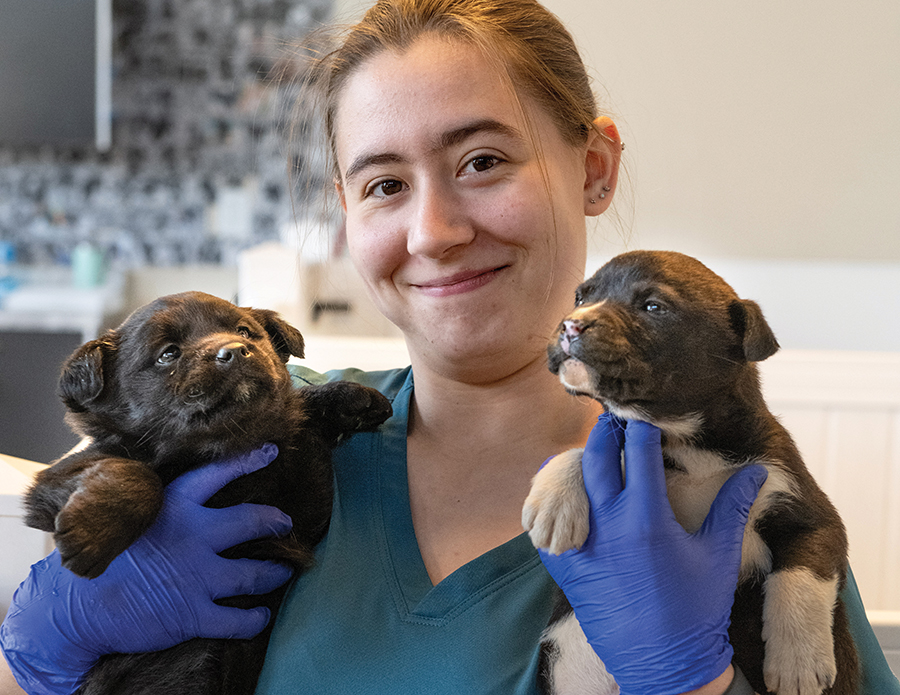
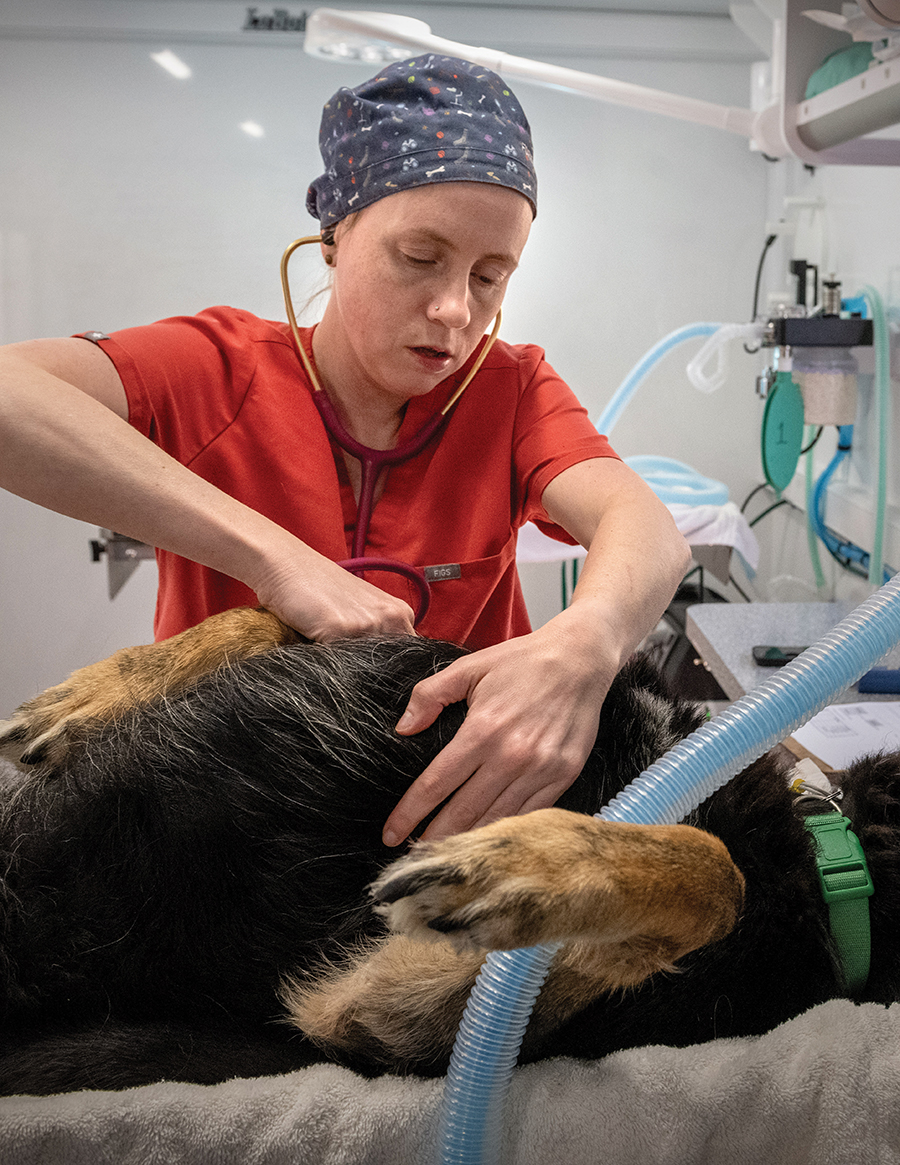
WVAR fills that gap. It helps pay salaries for shelter staff. It owns and operates the renovated former Cook School building across the street, now used for medical intake, cats, puppies and overflow space. It administers grants and operates a mobile surgical unit staffed with a veterinarian and a veterinary technician. It is, in many ways, the infrastructure behind the shelter’s no-kill status. That support has become central to the shelter’s survival following recent changes to its funding from the City of Huntington, Jennings said.
“The shelter was operating on a shoestring budget as it was, but the decision at the municipal level to cut the shelter’s funding was a devastating blow,” Jennings said. “To me it seemed almost insurmountable. But Courtney Cross is a miracle worker. And the one thing she doesn’t want to do and would do anything to avoid is euthanize healthy, adoptable pets for space.”
Before Cross took over at the shelter, more than 1,500 dogs and cats were being euthanized each year. Today, that number is down to under 100.
Cross has become something of a national figure in animal welfare circles. Her work transforming the Huntington Cabell Wayne Animal Shelter into a no-kill facility was recently highlighted by The Washington Post, a rare spotlight on a local shelter quietly achieving what many thought couldn’t be done.
“No-kill” doesn’t mean no euthanasia, Cross explained. It means maintaining a live release rate of at least 90% and eliminating euthanasia for space. Animals who are suffering, terminally ill or dangerously aggressive may still be humanely euthanized — decisions Cross said she makes as if the animal were her own.
What makes the achievement even more remarkable is the context. The shelter serves nearly 900 square miles across two counties. It sees a steady influx of animals due to chronic overpopulation, inconsistent spay-and-neuter practices and — increasingly — dumping. In 2023, the shelter took in 3,304 animals. In 2025, that number increased to 4,773.
“The better we do, the more animals we get,” Jennings said. “People know how clean the shelter is, how well the animals are treated and how conscientious the workers are. So, they bring their animals here. They know Courtney will take care of them.”
The recent “Clear the Shelter” event illustrated that paradox.
“It was great. It really was,” Cross said. “The interest it generated was fascinating to me. People really wanted to participate and be a part of it, and most of the matches seem to have been good. But the goal that we would ‘empty the shelter’ just didn’t happen. As animals went out, more came in — and since the event ended, we’ve taken in a lot more. Truthfully, we’re just trying to keep our heads above water.”
Jennings said the public often misunderstands that reality.
“I think people assume that because there was a big adoption event, or because they see a fundraiser online, everything is fine,” she said. “But this isn’t a short-term problem. It’s a matter of finding dependable, sustainable funding so that we’re not constantly in a position of, ‘Oh my gosh, are we going to have to start euthanizing for space?’”
Donations to WVAR may fund staff salaries one month, medical supplies the next or facility improvements when an opportunity arises. Some gifts are earmarked — a grounds beautification project, a building renovation — while others go where the need is greatest.
One of the most pressing needs now, Jennings said, is sustainability.
“Courtney needs an assistant,” she said. “She works seven days a week. She does everything — operations, grant writing, emergency response. She’s superhuman. You can’t even believe she’s real. But it’s not sustainable.”
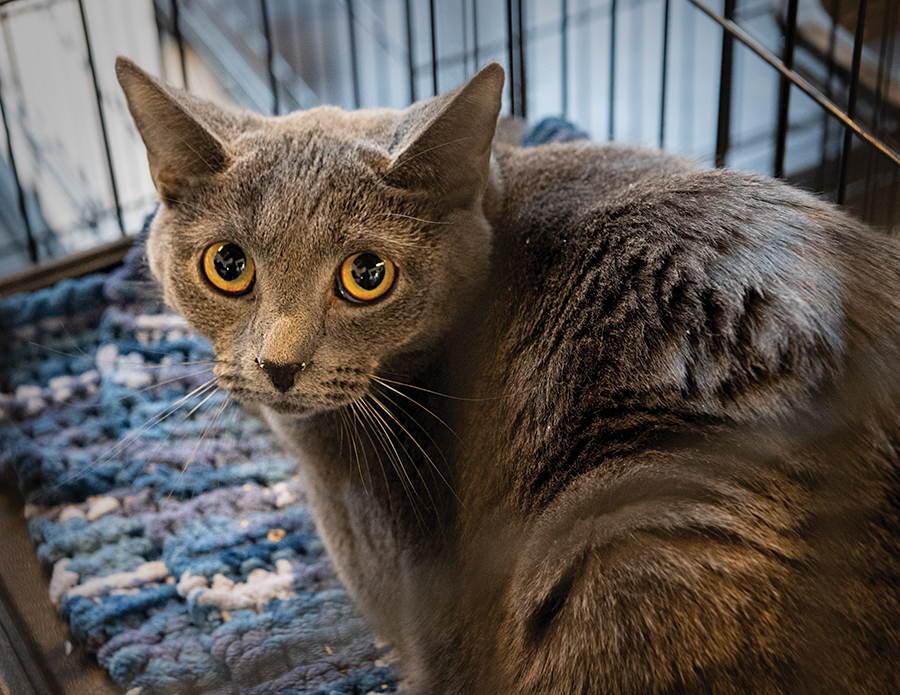
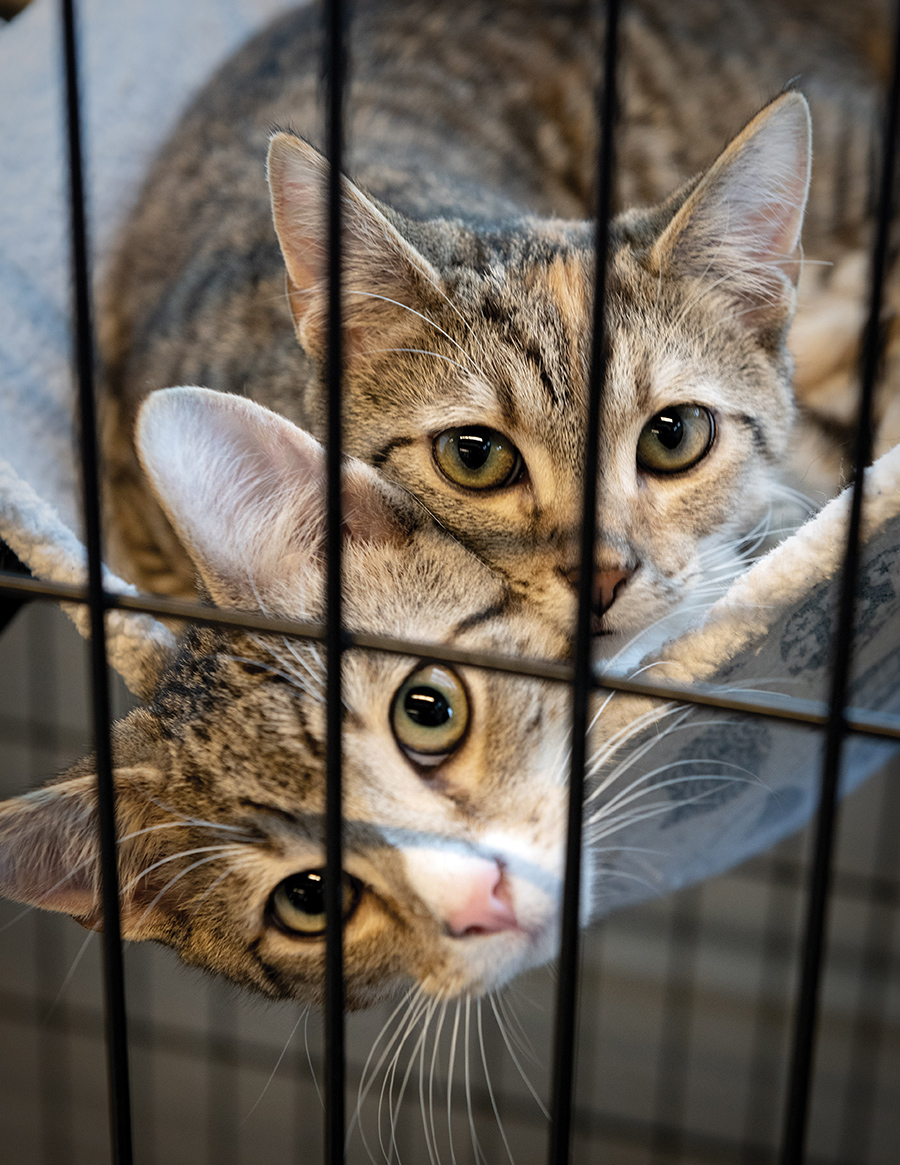
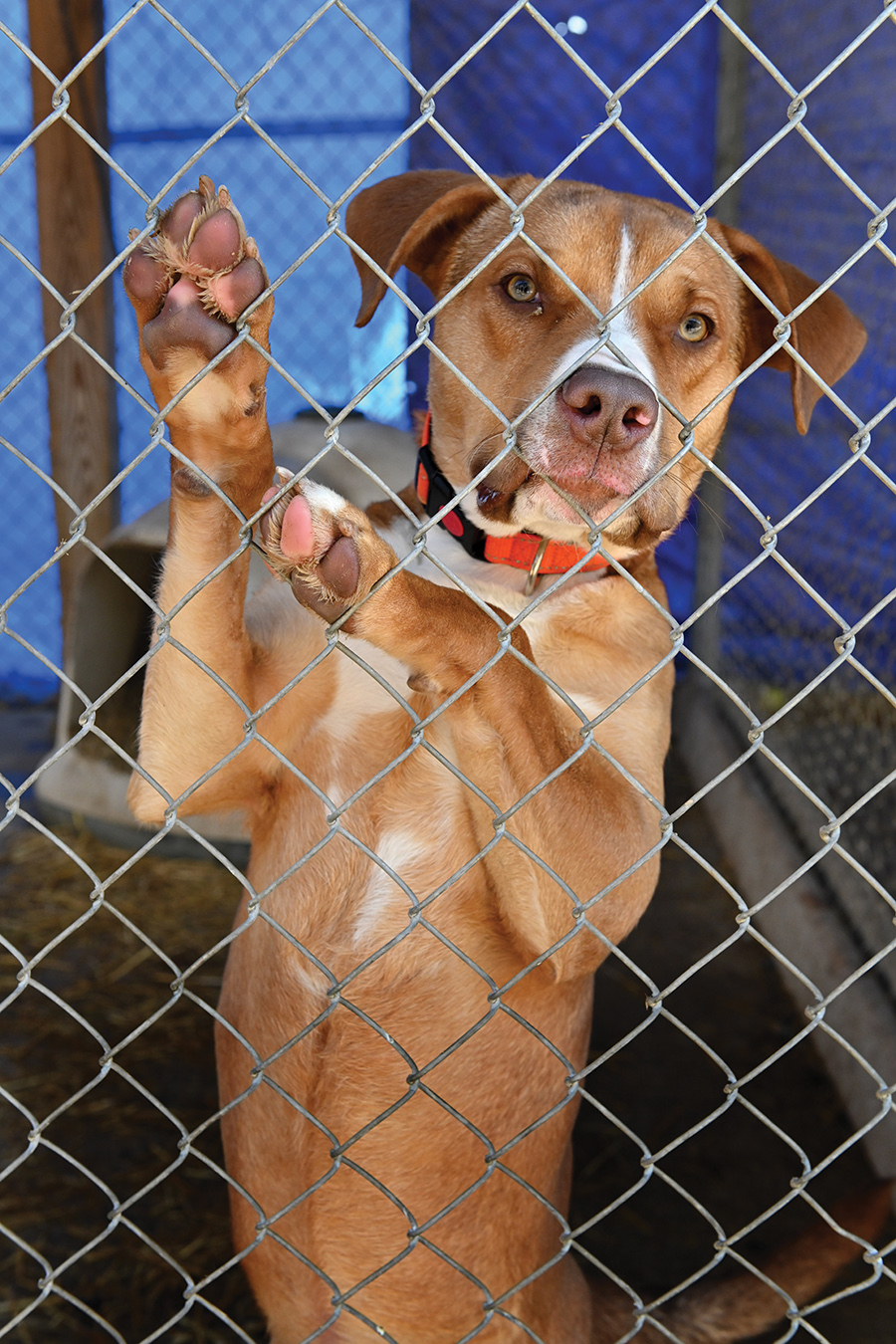
Space is another critical concern. Even with the Cook School building, animals are often housed in offices, bathrooms and wire crates. Outdoor dogs have heated dog houses, but it’s still far from ideal.
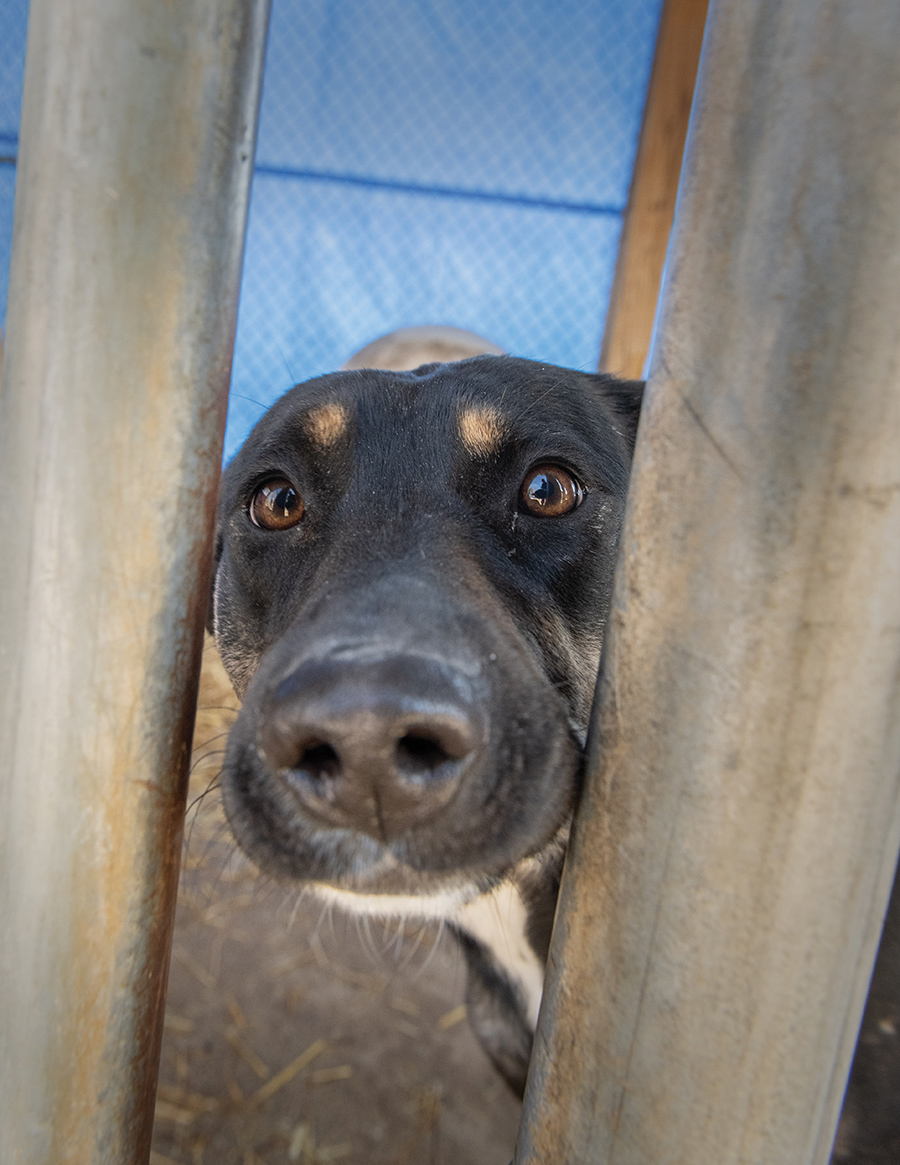
“My next dream project is an outside kennel space for the puppies that would let them move outside during the day when the weather is good and come back in at night,” Cross said.
WVAR’s mission extends beyond the shelter walls. Through grants and partnerships, it helps provide veterinary care for pets whose owners want to do right by them but lack financial resources. It supports spay-and-neuter initiatives, distributing hundreds of vouchers each year to help reduce overpopulation.
“I’d love to get to a place where people were doing such a good job spaying and neutering that we had just a small number of animals to take care of,” Cross said. “I would love it if we could go out of business.”
Jennings said confusion poses another challenge.
“People assume all the local rescue groups are the same or that funding for one covers another,” she said.
But support for WVAR — whether through financial contributions, volunteer hours or donations of items on the shelter’s wish list — directly serves shelter animals. It sustains a no-kill model that, against all odds, continues to save lives.
“We’re incredibly grateful,” Cross said. “For every volunteer, every donor, every person who cares about the work we’re doing. Because we really are saving a lot of animals.”
And tomorrow morning, when the kennels fill again — as they inevitably will — that work will continue, one animal at a time.
Keep the Shelter No-Kill
To learn more about WVAR’s mission and how to get involved, visit www.wvar.org.
To view the shelter’s wish list and available animals, visit www.hcwanimalshelter.com.
Dawson Goes Viral
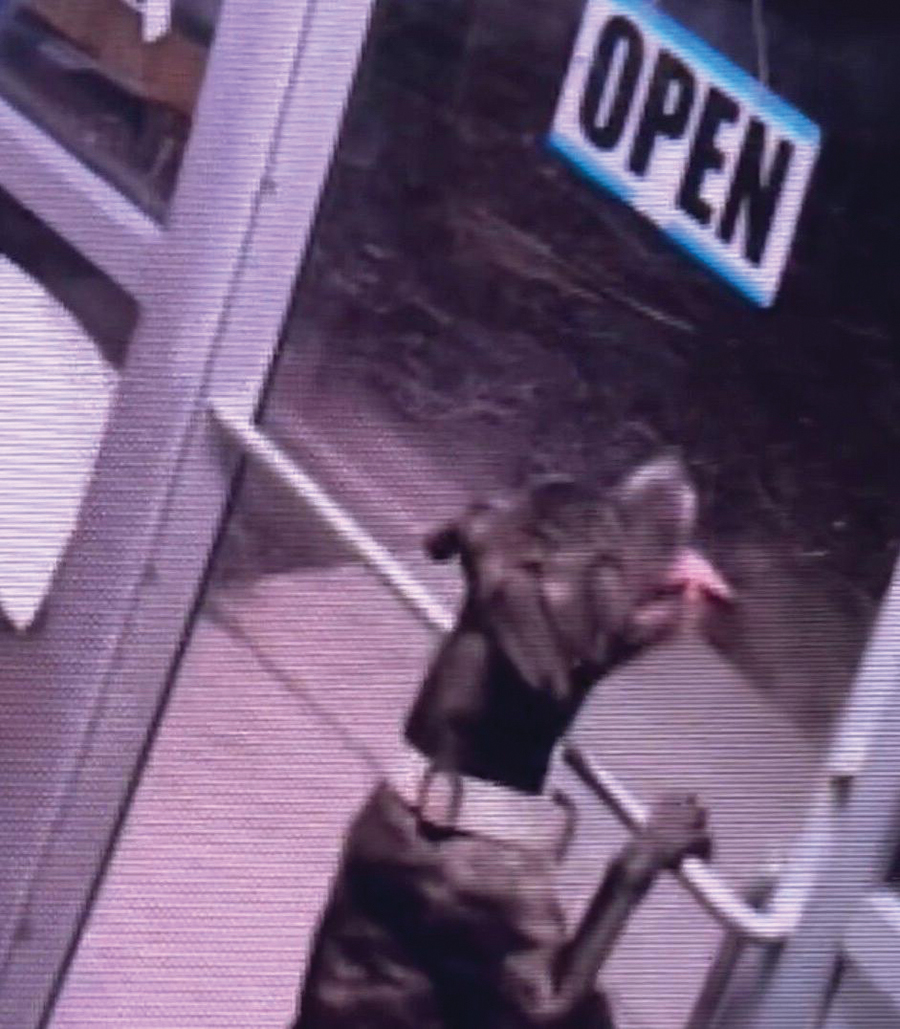
In early January, surveillance video at the Huntington Cabell Wayne Animal Shelter captured a dog named Dawson performing what one national news outlet described as an “impressive escape.” The footage showed Dawson slipping out of his kennel and then walking to the front door of the facility, where he used his mouth and paws to unlock the door before walking out into the night. The video was shared widely online, drawing millions of views and tens of thousands of shares across social media platforms.
WVAR promoted a dedicated fundraiser in Dawson’s honor, ultimately raising over $15,000 for the shelter. Dawson himself was later located and confirmed safe with his owner, bringing closure to the search that followed his escape.