When and where to find the finest fall foliage in West Virginia
Article and photos by David E. Fattaleh
HQ 131 | AUTUMN 2025
There are countless reasons to love living in West Virginia. There are the mountains and valleys, rivers and waterfalls, canyons and caves. And there are four distinct seasons that showcase the state’s stunning natural beauty. But fall has always been my favorite.
As the former photography manager for the West Virginia Division of Tourism, I spent 26 years traversing the state in search of the best fall foliage. So, when Huntington Quarterly Editor Jack Houvouras asked me to share my tips on where and when to find the season’s best color, I was happy to help.
I always began planning my fall photo adventures in late summer. I would map out which areas I wanted to photograph, along with the week and time of day. The fall foliage season in West Virginia usually starts in early October, so it’s best to begin in the higher elevations and then follow the colors as they descend the mountains throughout the month.
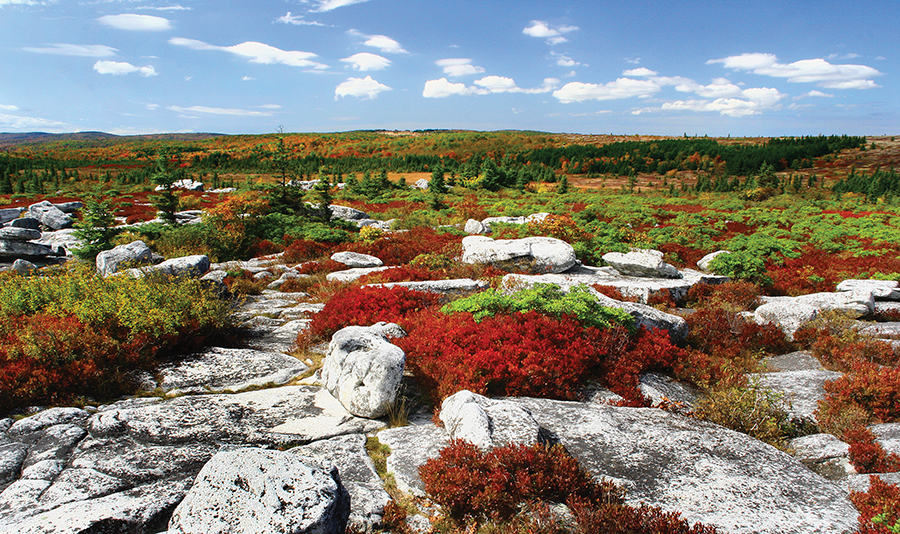
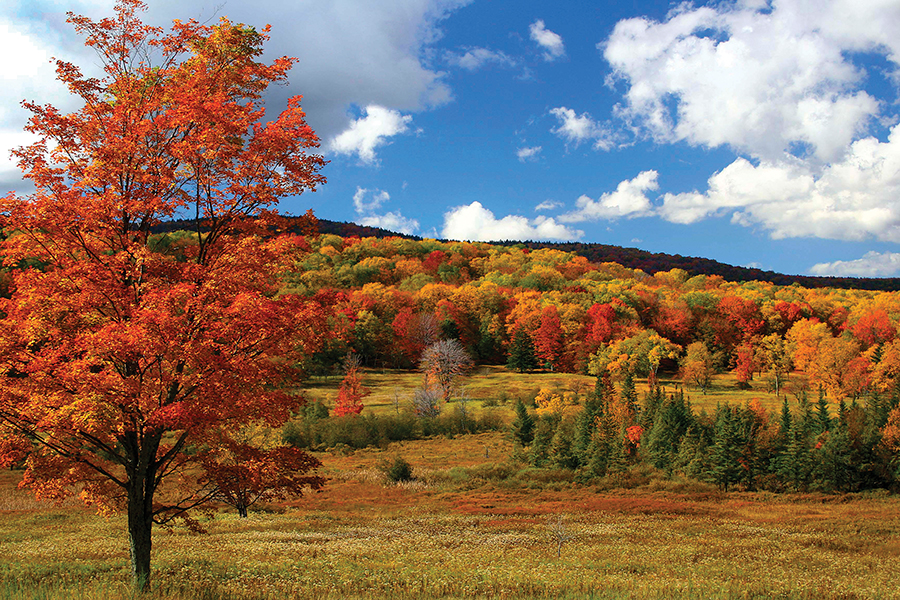
For week one, head to Dolly Sods, home to 17,000 acres of flag trees, large wind-carved boulders, huckleberry and blueberry bushes, bogs, dense forests and diverse wildlife. It is an ecosystem brought down from Canada during the ice age. I once spent the night on top of Dolly Sods just to capture an early sunrise from its 4,800-foot elevation.
Your next stop is Canaan Valley, an area I have always called “Cold Bowl” because it is significantly colder than the surrounding region. With an elevation of 3,200 feet, it is also ideal for the first week of October. Your two best options for capturing great foliage are Blackwater Falls and Canaan Valley state parks. The perfect recipe for vivid fall color is cold nights and warm days, and this part of the state always has both ingredients.
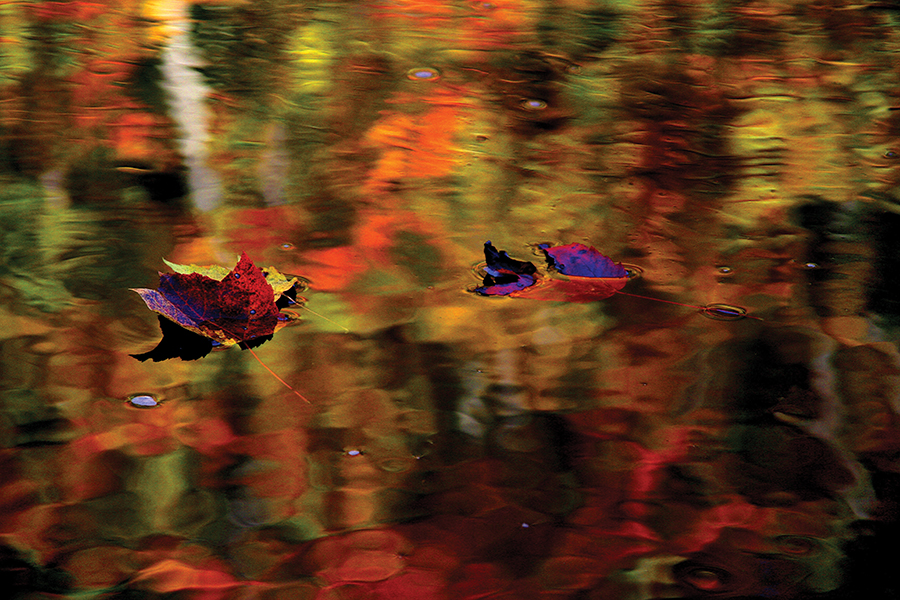
When planning your autumn drive through the state, be sure to traverse the Highland Scenic Highway. Its elevations range from 2,325 to 4,500 feet as you wind your way through the Monongahela National Forest. This 43-mile stretch of road offers spectacular views and a plethora of opportunities to photograph the very best of the Mountain State.
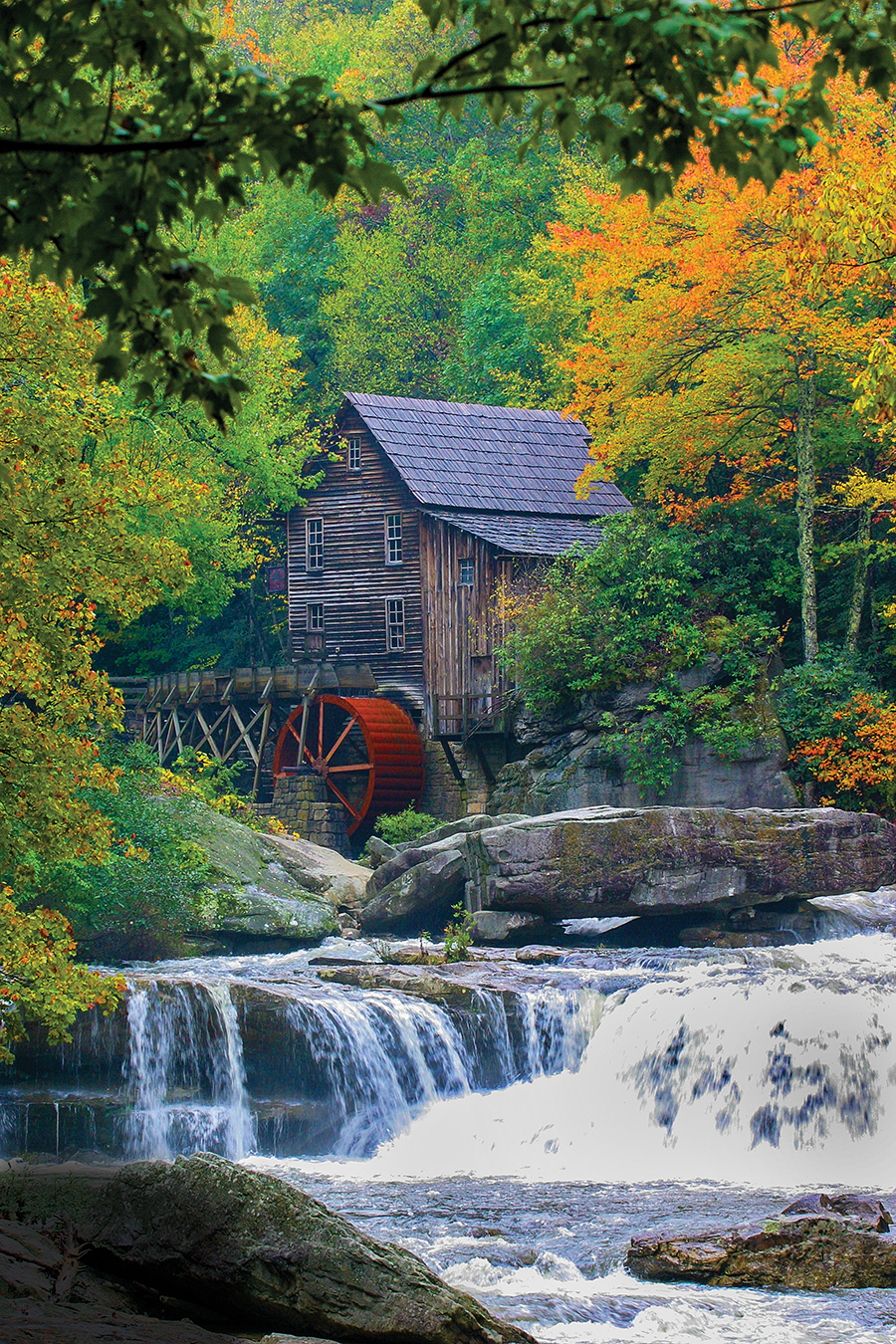
For week two, work your way down the mountains toward Nicholas, Webster, Pocahontas and Randolph counties. I would often turn off the main roads in these counties to find the perfect areas to photograph. In addition to snapping shots of the colorful landscapes, I recommend finding the “pictures within the picture.” Zoom in to capture the details — a single crimson leaf, the ripple of a stream reflecting golden trees. Don’t miss out on the little things; they are just as important as the vistas.
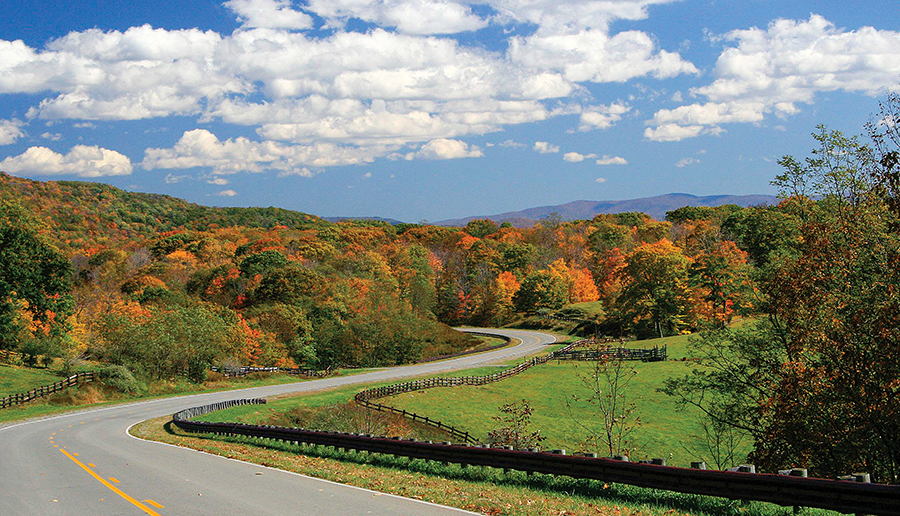
For week three, head to Babcock State Park in Fayette County. Here you’ll find one of the most photographed structures in the world: the Glade Creek Grist Mill. Few things are more picturesque than this weathered mill and the stream that cascades down the hill beneath it.
The best time of day to photograph this iconic setting is between 9:30 a.m. and 11 a.m.
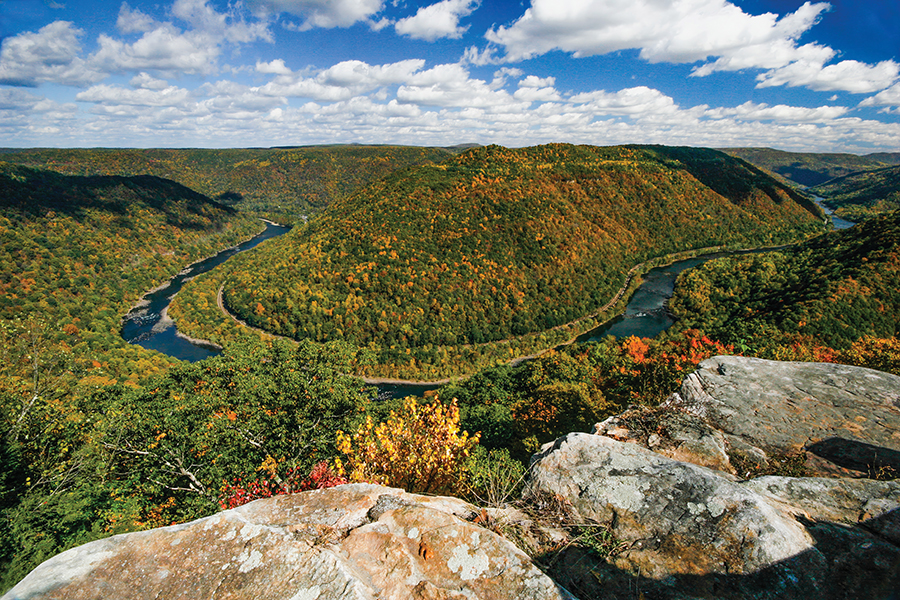
Afterward, drive 20 miles to see the New River Gorge Bridge and the Horseshoe Bend Overlook at Grandview, both part of the newly designated New River Gorge National Park & Preserve. The views here are jaw-dropping.
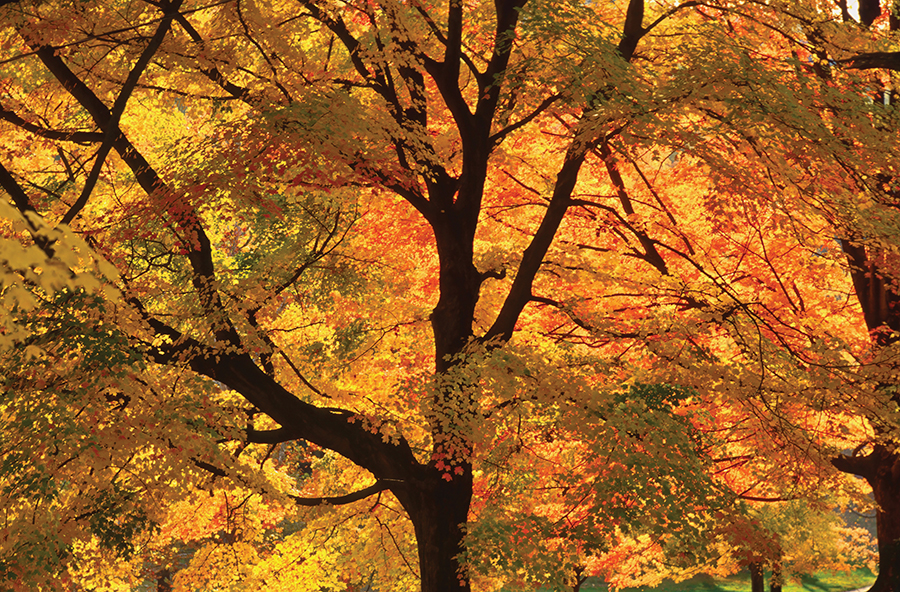
By week four, you will be ready to stay a little closer to home. Kanawha State Forest in Charleston, Ritter Park in Huntington and various scenic spots along the Ohio River provide a perfect way to end your fall color adventure.
Of course, each year there is no guarantee that you will get great fall color, but West Virginia rarely disappoints. It helps if you know when and where to go. Hopefully these tips will make this year’s leaf-peeping a success.