
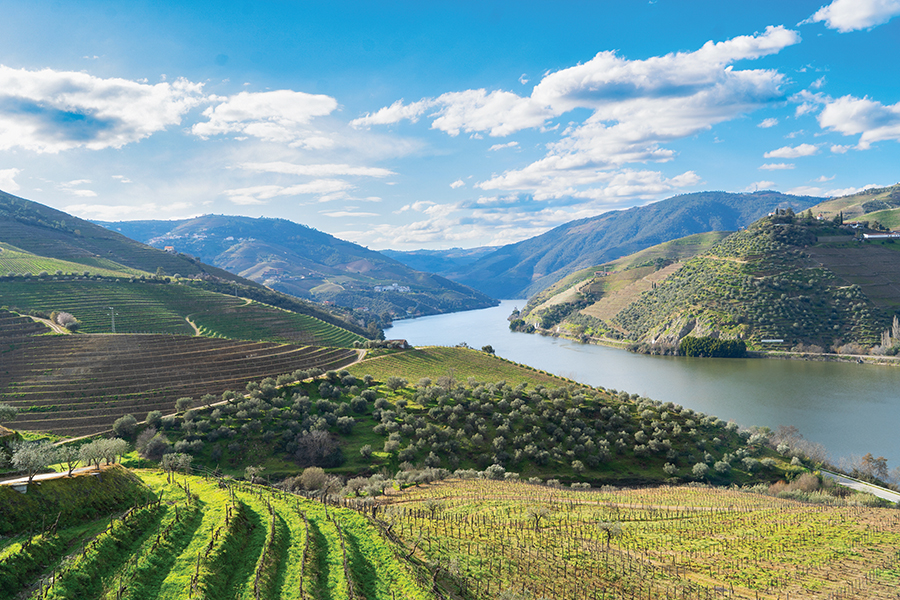
The Old World’s forgotten wine region offers some incredible bargains.
By Matthew DeBord
HQ 134 | SUMMER 2026
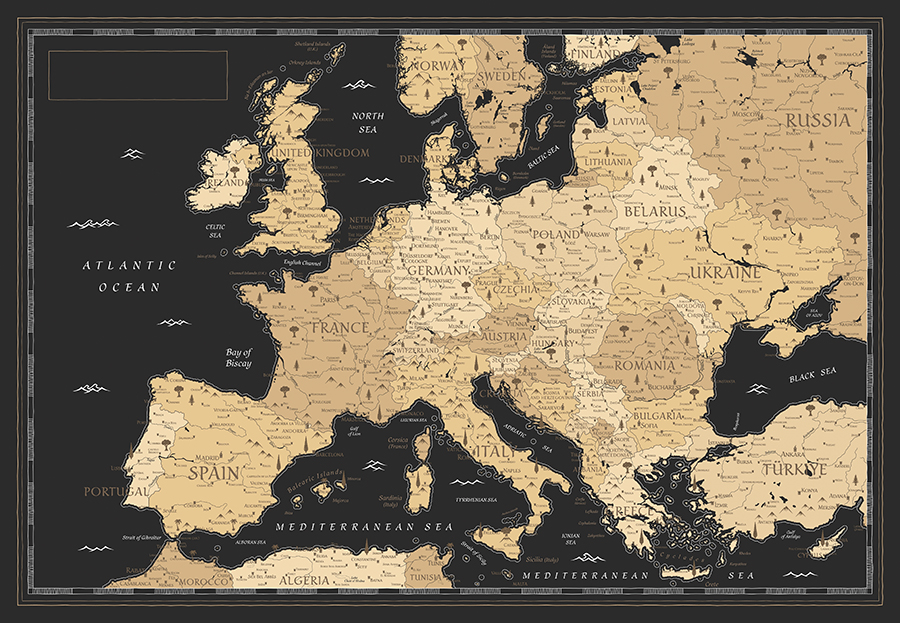
Wine has traditionally been divided into two large categories — and I don’t mean “red” and “white!” No, the dividing line for about a century now has been the “Old World” and the “New World.” The Old World is, basically, Europe and its famous winemaking countries. The most important of these is of course France, the wellspring of pretty much everything that defines the modern wine scene, including the grapes that are popular globally: Cabernet Sauvignon, Chardonnay, Merlot, Pinot Noir. Of secondary importance are Italy and Spain, both nations that place wine consumption at the center of life, enjoying a glass or two with every meal except breakfast. Germany is also vital, but mainly for white wines like Riesling. Greece also matters, due to its long wine-drinking history.
The New World is the United States, with California, Washington and Oregon leading the way. In South America, you have Chile and Argentina each making a considerable contribution, and across the Pacific Ocean, Australia and New Zealand are critical, with the Aussies in particular producing wine on a massive scale and exporting a large amount. Finally, South Africa can’t be overlooked, even if many of its best wines don’t usually leave the country.
In this bifurcated global context, the “forgotten” Old World country is Portugal. It’s ironic that Spain’s neighbor on the Iberian Peninsula is perhaps the least well-known European winemaking country, for two key reasons. The first is that Portugal is where Port comes from. This incredible fortified wine can age for, literally, more than 100 years and has been the preferred quaff with cigars and conversation in the halls of power and influence since the 1700s, when Britain ruled the waves and took a liking to the beverage.
However, Port is not very popular anymore. Most wine drinkers see it as a fusty drink favored by old guys, something to sip after a fancy dinner, but nothing to consume every day. The second reason for Portugal’s obscurity is, again, its tie to British life. When the famous economist David Ricardo was formulating his theories, he used Portugal as an example of a country that was so much better at winemaking than England that the Brits should stick to manufacturing cloth and buy their wine, via international trade, from the Portuguese.
For today’s wine lover, this all means that the red and white wines of Portugal are insane bargains, with perhaps the highest price-to-quality ratio of any Old World country outside of Germany. And with summer’s hot days and outdoor lifestyle, you have the perfect excuse to sample Portugal’s most famous export — Vinho Verde.
This typically inexpensive white — a bottle can easily be found for less than $10 — is my go-to Rosé alternative (although there is such a thing as pink Vinho Verde). Vinho Verde is a wine region, and the wines are made from a variety of grapes, none of them household names for most wine lovers. But that’s Portugal across the board. What really makes Vinho Verde stand out is its distinctive fizz. In the good old days, a modest degree of additional fermentation once the wine was bottled created the very light bubbles. Now, producers control the process and add a bit of carbonation to finish off the wines, which are released very early and “young.”
We drink Vinho Verde all summer long because it is so refreshing and low in alcohol. It’s also the most widely available Portuguese white — in fact, if your wine store sells any whites from Portugal at all, they’re probably Vinho Verdes. Look for Casal Garcia for between $10-15, or Quinta da Aveleda for less than $10. The core flavors are citrusy, and the nice acidic aspect makes Vinho Verde a terrific companion for grilled seafood.
Moving on to the reds, most of what you’ll find in the United States is from either the Douro or Dão region. As with Vinho Verde, the grapes themselves are obscure, but what the wines have in common is a sort of rustic complexity — a paradox in the modern wine world. They are earthy and straightforward, but not without their layers. To me, they combine the best of Spain, with reliable richness, and France, where even lesser-known “country” wines can be rather sophisticated on the palate.
Seek out Quinta do Crasto if your objective is to sample dazzling quality at a not-cheap but comparatively inexpensive price point. The “Superior” bottling is a minor masterpiece at $30 that rivals wines at three times the cost. If you just want to cash in on Portugal’s value proposition, try the Silk & Spice red blend, an effort to create an “international” wine from the country that doesn’t require much prior knowledge of grape varieties or regions. It’s usually less than $15 and it goes with everything that Cabernet Sauvignon or a nice red Bordeaux goes with, such as steaks and other kinds of grilled or broiled meats. Or a hamburger.
Lest you think that Portugal is all about cheap reds and whites, I should report that, as with any longtime winemaking country full of talented vintners, there are some reds that fetch prices of $100 and above that dazzle the big-name wine critics. These bottles don’t generally make it to your friendly neighborhood wine store, but they are sold online through the major retailers. As with everything else about Portuguese wine, the prices should be a lot higher, so the bottlings are worth an occasional splurge. But for the most part, I recommend sticking with what Portugal is, unfortunately, not famous for: perfect summer whites, and stupendous affordable reds. Well, I should say, not famous for now. If we work together, we can get the secret out!